Which function of prescription eyeglasses is located in the “When” direction?
Options:
A.
Facilitate sight
B.
Maintain position
C.
Modify vision
D.
Fold eyeglasses
Answer:
B
Explanation:
The correct answer is B. Maintain position . In FAST diagramming, the horizontal logic path normally answers How and Why . The vertical “When” direction is used for supporting or secondary functions that occur in relation to a function on the critical function logic path. SAVE’s VM Glossary defines a FAST diagram as a graphical representation of dependent function relationships and specifically identifies the labeled How, Why, and When arrows as FAST components. It also explains that vertical lines connect secondary functions to required secondary functions through their “When” relationships . ( )
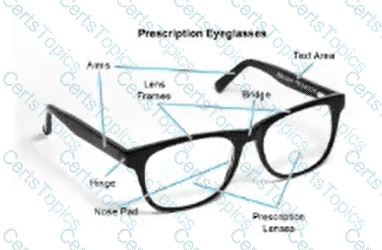
For prescription eyeglasses, Modify vision is the core/basic function because the lenses correct or adjust the user’s vision. Facilitate sight is a higher-order purpose explaining why the basic function exists. Maintain position is a supporting function because the frame, bridge, temples, and nose pads keep the lenses properly located in front of the eyes while the eyeglasses modify vision. This function happens concurrently with the basic function, making it appropriate in the When direction. Fold eyeglasses is only a convenience/storage function, not the functional support required during vision correction.
References/topics: Function Analysis Phase; FAST Diagramming; When Relationship; Secondary Function; Prescription Eyeglasses Function Model.
Question 6
Match each Phase with its correct question:
Options:
Answer:
Answer:
Explanation:
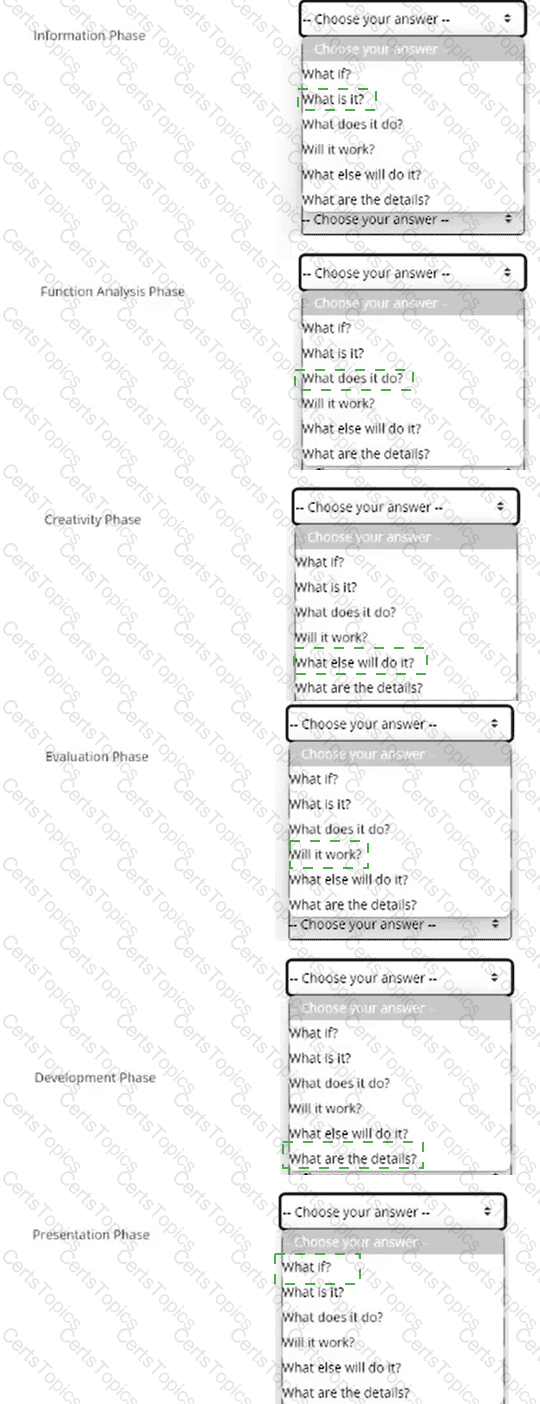
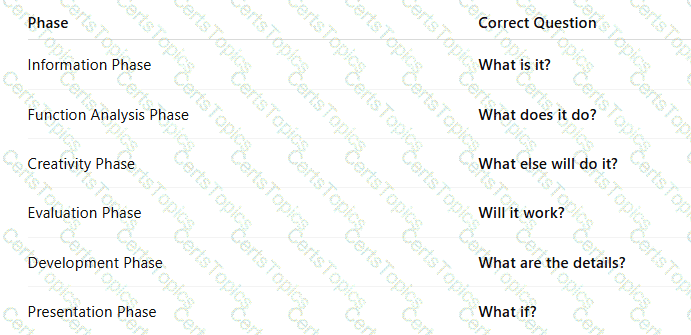
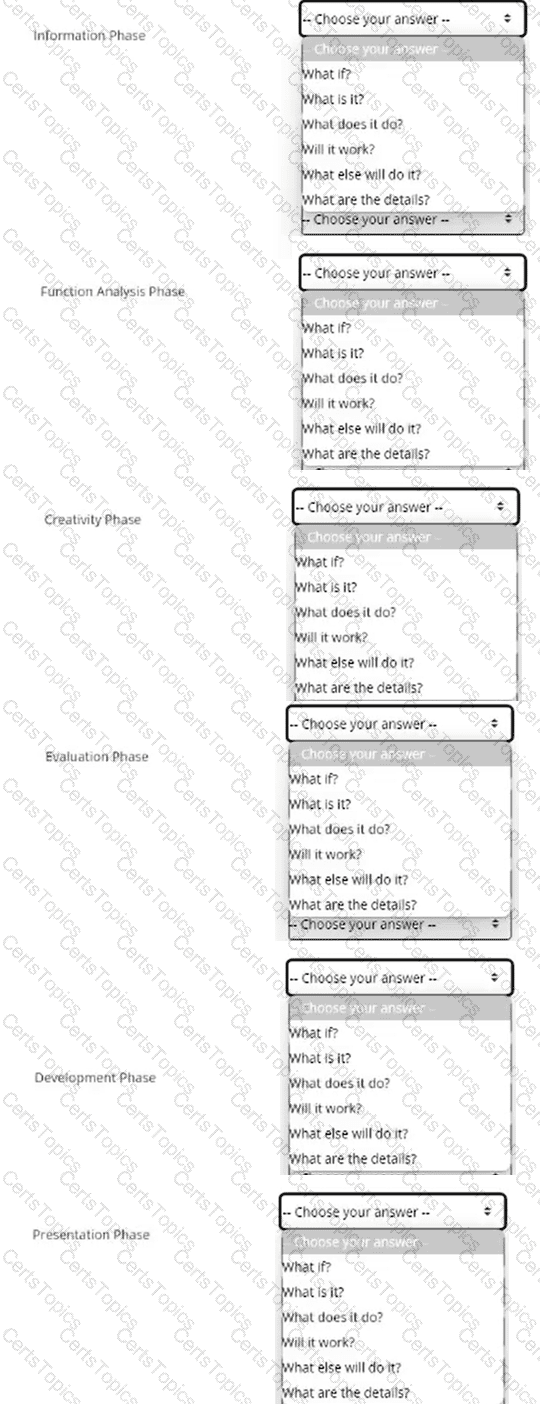
The correct matching follows the logic of the SAVE Value Methodology Job Plan. The Information Phase establishes factual understanding of the study subject, so its controlling question is “What is it?” The SAVE VM Standard describes this phase as reviewing current project conditions and identifying study goals. The Function Analysis Phase asks “What does it do?” because the team defines the project’s functions in active verb/measurable noun form and analyzes which functions require improvement, elimination, or creation. The Creativity Phase asks “What else will do it?” because the team identifies alternative ways to perform the required functions. The Evaluation Phase asks “Will it work?” because ideas are screened against value potential, performance requirements, and resource limits. The Development Phase asks “What are the details?” because selected ideas are expanded into documented alternatives or proposals. Finally, the Presentation Phase aligns with “What if?” because decision makers must understand the implications, adequacy, risks, and value improvement opportunity before approving implementation. SAVE identifies these six phases as sequential and states that each phase provides the information needed for successful execution of the next phase.
References/topics: Value Methodology and Job Plan; Information Phase; Function Analysis Phase; Creativity Phase; Evaluation Phase; Development Phase; Presentation Phase.
Question 7
Select the best matches for the functions of prescription eyeglasses.
Options:
Answer:
Answer:
Explanation:
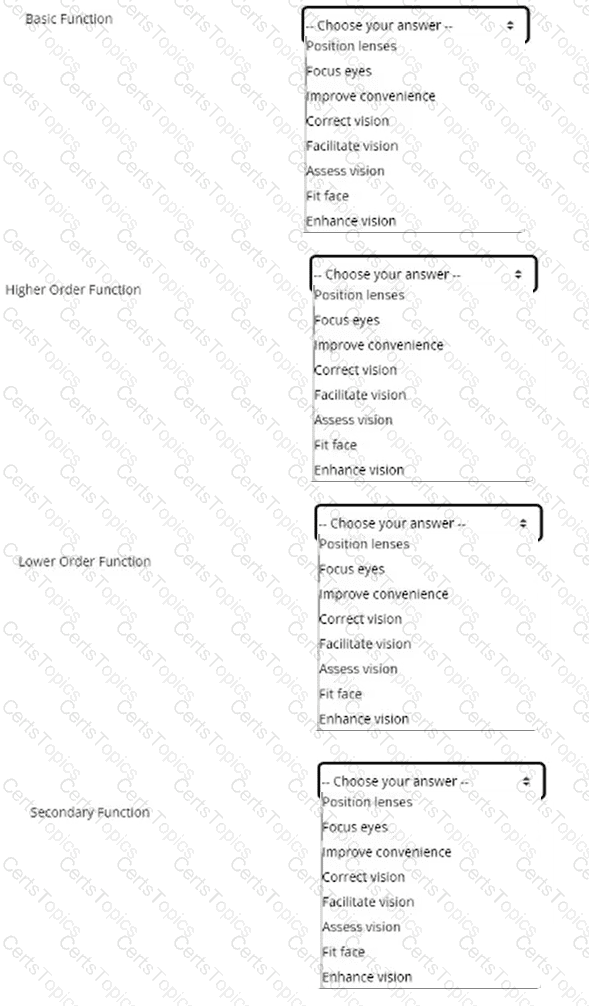
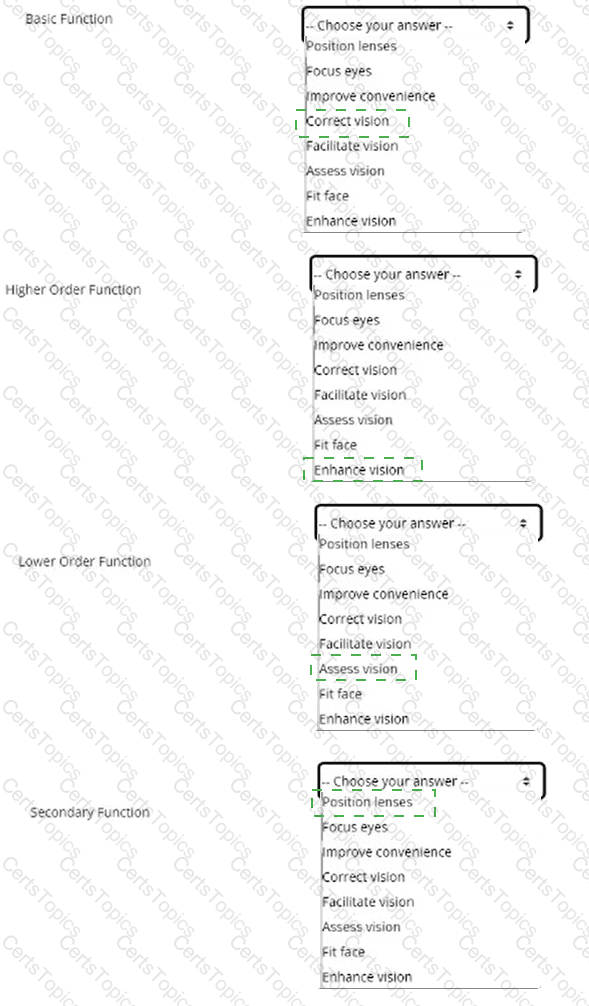
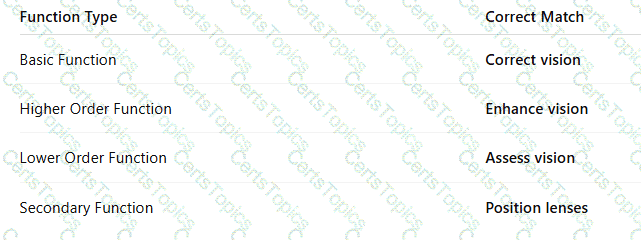
The correct matches are based on formal Function Analysis classification. SAVE defines a function as what a project, product, or process must do, independent of what it is or how it is accomplished, and it should be stated in active verb/measurable noun form. A basic function is the specific purpose for which the product exists and answers “What must it do?” For prescription eyeglasses, that purpose is Correct vision . SAVE’s function-analysis examples for spectacles also classify Correct Vision as the basic function.
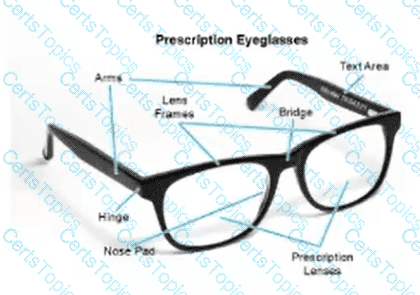
A higher order function represents the broader need or outcome that causes the basic function to exist. Correcting vision exists to Enhance vision , so that is the best higher-order match. A lower order function is outside the study scope and represents a required input. For prescription eyeglasses, the prescription must be determined first; therefore Assess vision is the best lower-order function. A secondary function supports the basic function and results from the selected design approach. In eyeglasses, the frames, bridge, arms, and related hardware support the basic function by Positioning lenses correctly in front of the eyes. “Fit face” is also a supporting idea, but it is less direct than “Position lenses” for this one-slot secondary classification.
References/topics: Function Analysis Phase; Basic Function; Higher Order Function; Lower Order Function; Secondary Function; FAST Logic.
Question 8
The left project scope line is located between the
Options:
A.
Subject objectives and all-the-time functions
B.
Secondary and lower order functions
C.
Higher order and basic functions
D.
Basic and secondary functions
Answer:
C
Explanation:
The correct answer is C. Higher order and basic functions . In FAST diagramming, the project scope is shown by vertical scope lines that define the portion of the function logic included in the value study. The left project scope line separates the broader reason for the study from the functions that are actually inside the study boundary.
The higher order function is placed outside the left scope line because it answers the “why” question for the basic function. It represents the larger objective or purpose that the basic function supports. FAST guidance states that highest-order functions appear outside the left scope line and to the left of the basic functions. ( )
The basic function is placed immediately to the right of the left scope line. It represents the primary purpose or mission of the subject under study. The FAST reference specifically states that basic functions immediately to the right of the left scope line represent the purpose or mission of the subject. ( )
Therefore, the left project scope line is located between the higher order function and the basic function .
References/topics: Function Analysis Phase; FAST Diagramming; Project Scope Line; Higher Order Function; Basic Function; How/Why Logic.