




Fortinet Related Exams
Last Week Results
32 Customers Passed Fortinet
FCSS_EFW_AD-7.6 Exam
FCSS_EFW_AD-7.6 Exam
Average Score In Real Exam
Questions came word for word from this dump

Fortinet Bundle Exams
Duration: 3 to 12 Months
17 Certifications
96 Exams
Fortinet Updated Exams
Most authenticate information
Prepare within Days
Time-Saving Study Content
90 to 365 days Free Update
$208*


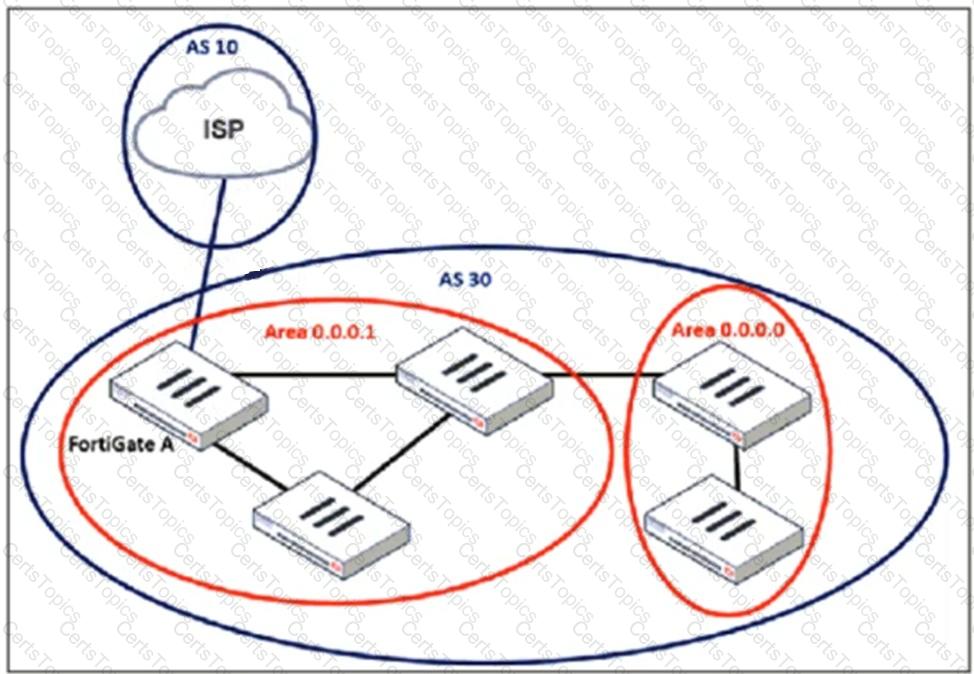
 BGP normally expects directly connected neighbors, but since the ISP and FortiGate A are using loopback interfaces, packets will not be sent directly between their physical interfaces.
 The ebgp-enforce-multihop command allows BGP to form an eBGP peering over multiple hops.
 Since FortiGate is using a loopback interface as the source, the update-source command ensures that BGP updates originate from the loopback interface rather than a physical interface.
 This is essential because BGP peers must match the source IP with the configured neighbor address.