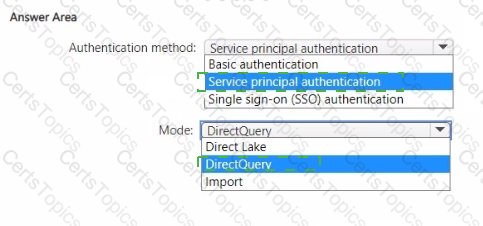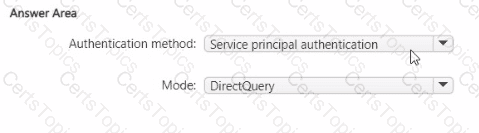
You need to design a semantic model for the customer satisfaction report.
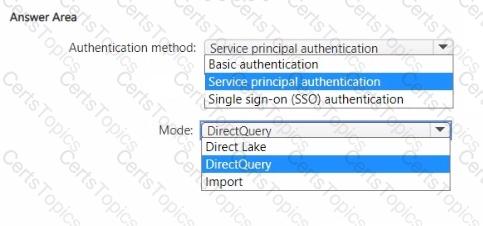
Which data source authentication method and mode should you use? To answer, select the appropriate options in the answer area.
NOTE: Each correct selection is worth one point.
You have a Fabric notebook that has the Python code and output shown in the following exhibit.
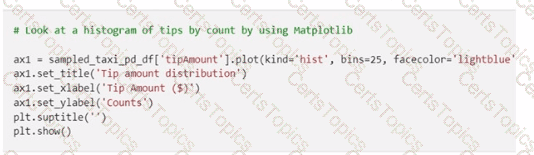
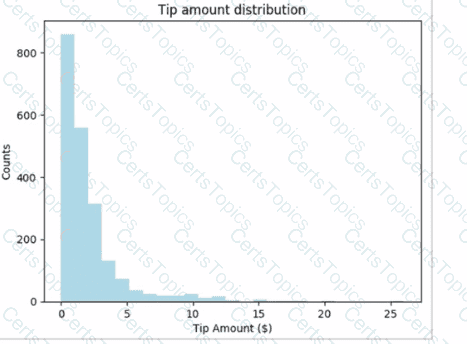
Which type of analytics are you performing?
Note: This section contains one or more sets of questions with the same scenario and problem. Each question presents a unique solution to the problem. You must determine whether the solution meets the stated goals. More than one solution in the set might solve the problem. It is also possible that none of the solutions in the set solve the problem.
After you answer a question in this section, you will NOT be able to return. As a result, these questions do not appear on the Review Screen.
Your network contains an on-premises Active Directory Domain Services (AD DS) domain named contoso.com that syncs with a Microsoft Entra tenant by using Microsoft Entra Connect.
You have a Fabric tenant that contains a semantic model.
You enable dynamic row-level security (RLS) for the model and deploy the model to the Fabric service.
You query a measure that includes the username () function, and the query returns a blank result.
You need to ensure that the measure returns the user principal name (UPN) of a user.
Solution: You update the measure to use the USEROBJECT () function.
Does this meet the goal?
You have a Fabric warehouse that contains the following data.
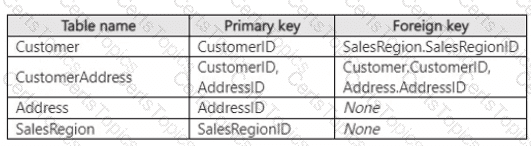
The data has the following characteristics:
• Each customer is assigned a unique CustomerlD value.
• Each customer is associated to a single SalesRegion value.
• Each customer is associated to a single CustomerAddress value.
• The Customer table contains 5 million rows.
• All foreign key values are non-null.
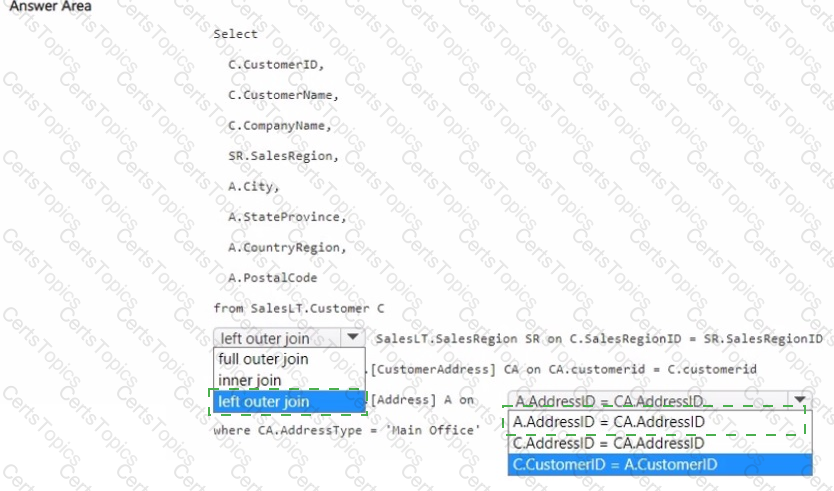
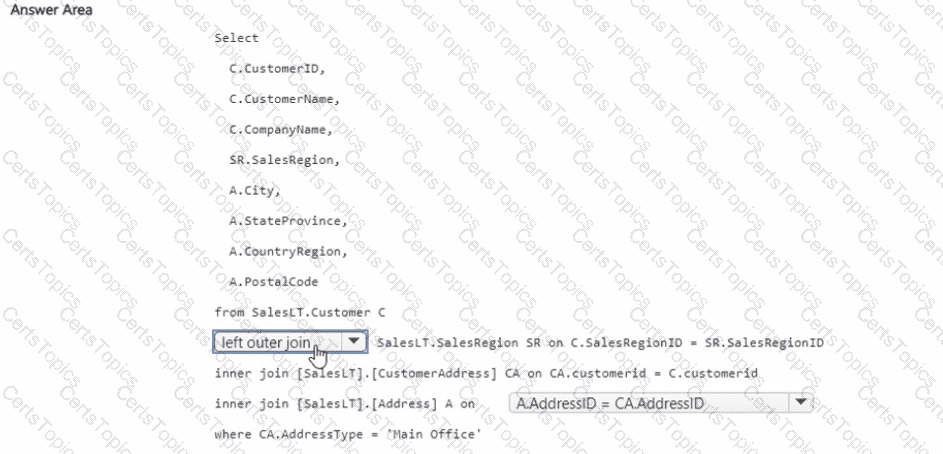
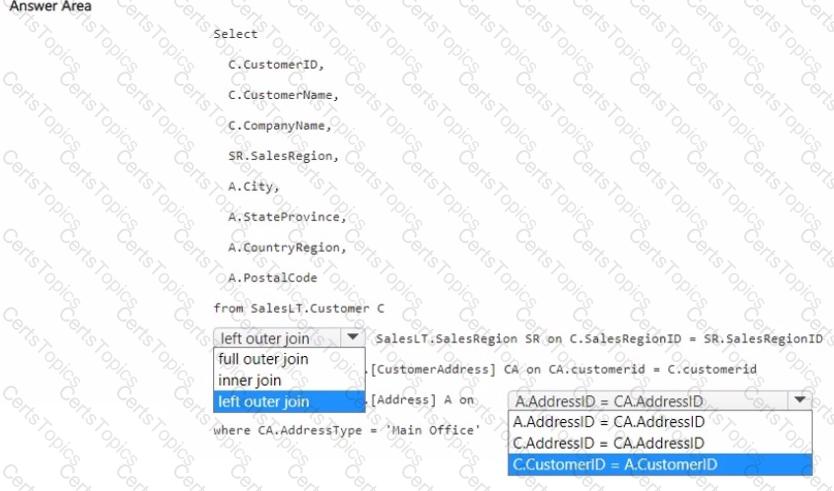
You need to create a view to denormalize the data into a customer dimension that contains one row per distinct CustomerlD value. The solution must minimize query processing time and resources.
How should you complete the T-SQL statement? To answer, select the appropriate options in the answer area.
Copyright © 2021-2026 CertsTopics. All Rights Reserved