The correct answer is D. Temporary .
A temporary table exists only for the duration of the session in which it was created. It is only visible to the user session that created it and is automatically dropped when the session ends.
Why D is correct:
Temporary tables are useful for session-specific intermediate data. They do not persist beyond the session and are not visible to other users or sessions.
Example:
CREATE TEMPORARY TABLE temp_sales AS
SELECT *
FROM sales
WHERE sales_date = CURRENT_DATE;
Why the other options are incorrect:
A. Hybrid tables are optimized for transactional workloads and are not session-only objects.
B. Dynamic tables are used for declarative, automated data transformation and are persistent database objects.
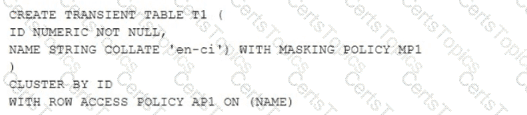
C. Transient tables persist until explicitly dropped and are visible according to granted privileges. They do not have Fail-safe, but they are not session-only.
Official Snowflake documentation reference:
Snowflake documentation describes temporary tables as existing only within the session in which they are created and being dropped automatically at the end of the session.
[Reference: Snowflake Documentation — Temporary tables; Snowflake Documentation — Table types; SnowPro Core Study Guide — SQL and Snowflake Objects., ==]